Source Nordic Style Wooden Tray for Kitchen Hotel Restaurant
Compare 30 listings for the nordic style wooden tray from verified suppliers in China. Buyers can evaluate customization options, material grades, and pricing for serving platters used in kitchens, hotels, and restaurants; compare the available evidence and request quotations based on your requirements.
Key considerations
Products List


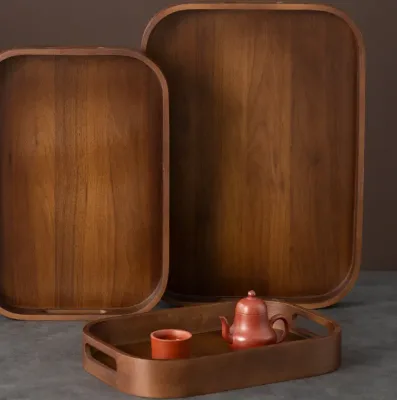
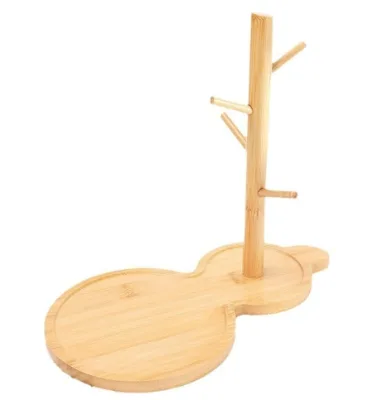


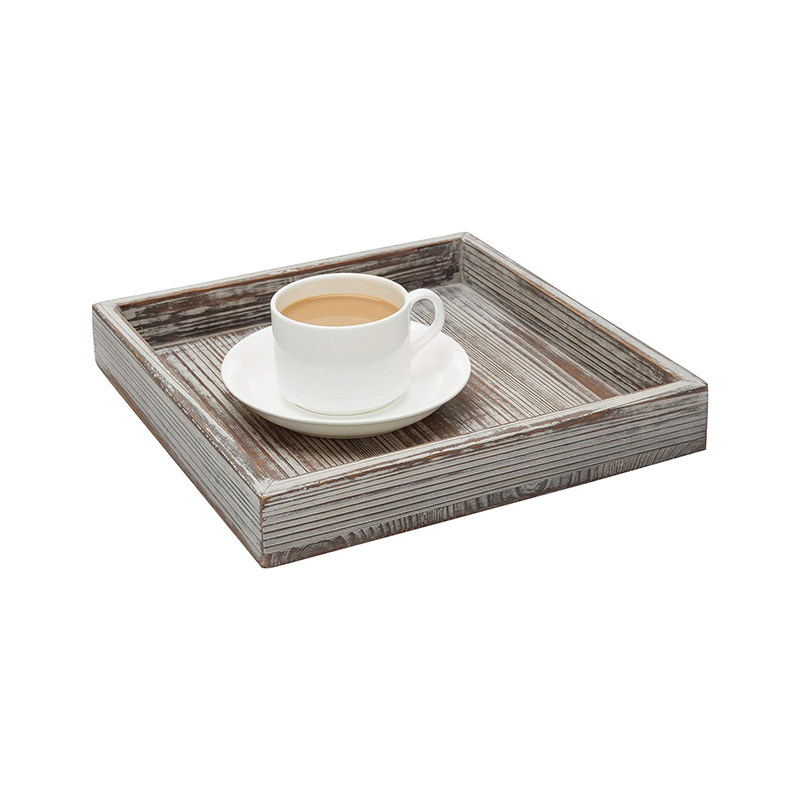
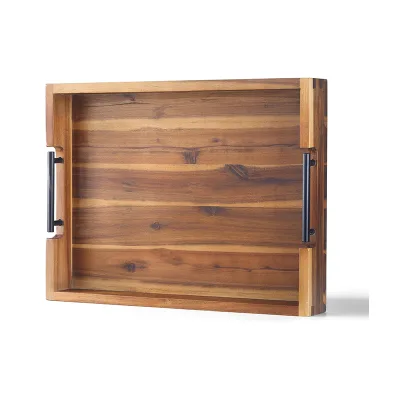


Comprehensive Sourcing Guide
Nordic Style Wooden Tray Sourcing Guide
Sourcing Nordic style wooden trays requires identifying suppliers who balance minimalist aesthetics with functional durability, often utilizing materials like bamboo and wood to achieve the desired natural look. Buyers should prioritize listings that explicitly state customization options for size and shape, as the core appeal of this category lies in its adaptability to specific kitchen or living room layouts. The observed product range includes serving platters and food trays designed for both household and commercial hospitality use, ensuring versatility across different procurement needs.
When evaluating potential vendors, focus on those offering polished finishes and retro or modern styles that align with current interior design trends. It is critical to verify that the "Eco-Friendly" and "Handmade" attributes are genuine observations of the manufacturing process rather than marketing claims. Procurement teams must confirm that the supplier can accommodate custom logos and colors while maintaining the structural integrity required for daily use in hotels, restaurants, or private homes.
Product Scope and Observed Listing Signals
The market for these trays typically features non-disposable items with specific dimensions ranging from compact serving sizes to larger platters, often adhering to standard measurements like 39x17x1.5cm or custom specifications. Listings frequently highlight the material composition as wood or bamboo, with a focus on high-standard quality suitable for food contact applications. Buyers should expect to see variations in packaging, such as shrink wrap, color labels, and inner boxes, which are essential for protecting the polished finish during transit.
Procurement signals also include the availability of samples and the capacity for custom shapes, allowing buyers to tailor products to unique branding or functional requirements. The observed data indicates a wide range of minimum order quantities, from small batches of 300 pieces to larger orders of 5000, suggesting flexibility for both startups and established distributors. It is vital to distinguish between products intended for daily household use and those designed for heavy-duty commercial environments to ensure the selected item meets the intended service life expectations.
Technical Specifications to Verify
Buyers must rigorously verify the physical dimensions and weight specifications, as observed listings show significant variance in single package sizes and gross weights, ranging from 3kg to 15kg depending on the model. The standard dimensions provided, such as 39x21x5cm or 30x21x5cm, serve as a baseline, but the ability to accept custom sizes is a key technical differentiator for this product category. Ensuring the product matches the exact size requirements is crucial for logistics planning and shelf space optimization in retail or hospitality settings.
In addition to dimensions, the processing method and finish quality are critical technical factors that define the product's longevity and aesthetic appeal. Specifications often mention grinding and polishing processes, which contribute to the smooth surface necessary for food safety and user comfort. Buyers should confirm that the "Not Applicable" status for dishwasher safety is understood, as this dictates the cleaning protocols required for maintenance. Verifying the grade of the wood and the specific finishing techniques ensures the tray will withstand the rigors of its intended environment without warping or degrading.
Compliance and Safety Documentation
Safety compliance is paramount when sourcing wooden trays intended for food contact, and buyers should demand documentation confirming FDA and CIQ certifications for relevant markets. The observed product data explicitly lists these certifications, indicating that the supplier has met specific regulatory thresholds for materials used in food service applications. However, procurement teams must verify that these certifications are current and applicable to the specific batch of goods being ordered, as regulatory status can vary by production run.
Beyond food safety, environmental and regional compliance standards such as CE/EU marks should be scrutinized to ensure the product meets international trade requirements. While some background information mentions FSC, buyers should not assume this certification is present without explicit confirmation from the supplier. It is essential to request valid test reports that validate the "Can Be Used For Food Contact" claim, ensuring that no harmful chemicals or finishes are present on the polished wood surface that could leach into food items.
Cost Drivers and Commercial Terms
The cost of Nordic style wooden trays is heavily influenced by the level of customization, including specific sizes, shapes, and the application of custom logos or colors. Suppliers offering bespoke solutions often have higher minimum order quantities, such as 500 pieces, which can impact the unit price and overall budget allocation. Buyers should analyze the trade-off between standard inventory and custom orders, as the latter provides unique branding opportunities but may require longer lead times and higher initial investment.
Commercial terms also vary significantly based on the supplier's location and the complexity of the packaging requirements. Products originating from regions like Shaowu City or Shandong Province may have different logistical cost structures compared to other manufacturing hubs. The observed price range of 0.01 to 15 USD suggests a wide spectrum of value, driven by factors like material grade, finish quality, and order volume. Procurement teams must negotiate clear terms regarding sample availability and the cost implications of custom packaging to avoid unexpected expenses during the finalization of the order.
Supplier Qualification and Quality Control
Evaluating supplier qualification involves assessing their production capacity and their ability to maintain consistent quality standards across large batches. The presence of "High Standard" quality attributes in listings suggests a focus on durability and decorative appeal, but buyers must implement their own quality control checks to verify these claims. Inspecting the polished finish and the structural integrity of the wood is essential to ensure the product meets the "Durable" and "Eco-Friendly" expectations set by the market.
Quality control protocols should also include a review of the supplier's sample approval process, as the availability of samples is a key indicator of their confidence in their manufacturing capabilities. Buyers should request physical samples to test the weight, balance, and finish quality before committing to a large order. Additionally, verifying the supplier's ability to handle custom shapes and sizes without compromising the product's aesthetic or functional integrity is a critical step in the qualification process.
Long-Term Procurement Checks
Establishing a long-term partnership requires ongoing monitoring of the supplier's ability to maintain consistent product specifications and compliance standards over time. Buyers should regularly audit the production process to ensure that the "Handmade" and "Eco-Friendly" attributes remain consistent, as these are key selling points that can be compromised by cost-cutting measures. Continuous verification of certifications like FDA and CE/EU is necessary to ensure the products remain compliant with evolving international regulations.
Finally, procurement teams must assess the supplier's responsiveness to market changes and their capacity to scale production as demand grows. The ability to accommodate custom orders and maintain a steady supply of high-quality wooden trays is essential for maintaining brand reputation in the competitive Nordic style market. Regular performance reviews should focus on delivery reliability, quality consistency, and the supplier's willingness to adapt to new design trends or material requirements to ensure a sustainable supply chain.
FAQs
What certifications are available for these wooden trays?
The products hold FDA, CIQ, and CE/EU certifications for food safety. These credentials ensure compliance with international standards for food contact materials. Buyers can verify these documents to meet regulatory requirements in their target markets, ensuring the wooden serving platters are safe for commercial and household use.
Can I customize the size and shape of the tray?
Yes, customization is available for both size and shape. The supplier accepts custom sizes and offers various dimensions such as 39x17x1.5cm or 30x21x5cm. You can also request specific shapes to match your brand identity. This flexibility allows for tailored solutions that fit unique kitchen or hotel service requirements perfectly.
What is the minimum order quantity for these items?
The minimum order quantity varies by product model, typically ranging from 300 to 500 pieces. Some items require 500pcs while others start at 300pcs. This tiered MOQ structure helps accommodate different business scales, allowing both small retailers and large hotel chains to place orders that fit their inventory needs.
How are the wooden trays packaged for shipping?
Packaging includes shrink wrap, color labels, inner boxes, and outer cartons. Some models use customized packaging options to protect the product during transit. The single package sizes vary, such as 42x33x7cm or 23x23x10cm, ensuring secure handling. This robust packing method minimizes damage risks during international logistics operations.
Where are these wooden serving platters manufactured?
The products originate from Shaowu City in Fujian Province and Shandong, China. These regions are known for quality wood processing and manufacturing capabilities. Sourcing from these locations provides access to established supply chains and skilled craftsmanship, ensuring consistent quality and reliable production schedules for global buyers seeking durable wooden home goods.
Are these trays suitable for food contact and daily use?
Yes, the trays are explicitly designed for food contact and daily use. They are made from wood and bamboo materials that are durable and eco-friendly. The polished finish and sturdy construction make them ideal for serving in homes, hotels, and restaurants. They are not disposable, offering long-term usability for repeated service scenarios.